
Ann-Margret, the 1941 Original

When she burst onto the scene in the early 1960s, musical movies got brighter, bolder, and more fun. Everything clicked in 1963 with Bye Bye Birdie, where her charm and dancing bottled the decade’s youthful buzz. Then came Viva Las Vegas, pairing her with Elvis Presley, delivering chemistry that remains memorable—playful, flirty, captivating.
The actor proved there was real dramatic weight behind the sparkle. Carnal Knowledge surprised critics and earned her an Academy Award nomination for its raw, complex emotions. In the 1970s, concert tours showcased her confident stage presence. The SAG Life Achievement Award later honored her enduring career. She even brought a sharp edge to Law & Order: SVU in 2010.
Dick Van Dyke, born 1925

Few performers can brighten a room like Van Dyke, thanks to a mix of charm, timing, and that musical, wink-at-the-audience energy. He truly took off with The Dick Van Dyke Show in 1961, setting the standard for smart sitcom comedy built on warmth and chemistry. Then 1964 rolled around and Mary Poppins let him cut loose, dancing like a human spring and adding unforgettable whimsy.
He earned a Grammy for the film’s soundtrack, a household favorite. Fans loved him on stage with national tours and live performances. By 1974, he received a Special Tony Award for his theater impact. In 2018, Mary Poppins Returns gave him a playful encore, reminding everyone why his joy still resonates.
Eva Marie Saint, born 1924

The actor built her reputation without ever needing to shout about it, but people definitely noticed in Hollywood’s golden age. In 1954, she lit up On the Waterfront with a performance that felt both tender and tough. That role earned her the Academy Award for Best Supporting Actress, proving she was the real deal with serious emotional range.
Alfred Hitchcock pushed her even further with North by Northwest, where she mixed cool confidence with mystery. Crews loved her steadiness, even in high-pressure scenes. In 1990, she picked up a Primetime Emmy Award, underlining her dramatic chops. Much later, in 2012, she voiced Katara on Nickelodeon’s The Legend of Korra.
Linda Evans, Born 1942

Anyone who caught Linda's rise during TV's glossy years probably remembers that confident spark she brought to prime time. She first broke wide in 1965 on The Big Valley, where her steady presence held the drama together. Then Dynasty turned her into pop culture royalty, thanks to Krystle Carrington’s mix of polish and backbone. It was the kind of role that didn’t just make a star, it made a weekly event.
A Golden Globe followed, confirming the beloved status of her performance. Before fame, she honed her skills at Hollywood High School. In the 1980s, she leaned into health and fitness, inspiring fans to get moving. Her marriage to John Derek also pulled her into new creative circles, influencing her perspective and work for years afterward.
Clint Eastwood, Born 1930

Back in 1959, Rawhide didn’t just give Eastwood a steady TV gig, it launched him like a rocket. From there, he rode into Sergio Leone’s westerns, bringing that cool, tight-jawed calm that made danger feel close. Those films helped redefine on-screen toughness. Then Dirty Harry arrived, turning gritty cop stories into cultural phenomena debated for years.
Awards came in 1992 when Unforgiven earned him Oscars for Best Director and Best Picture. He repeated this success in 2004 with Million Dollar Baby, proving his lasting impact. Beyond acting, music was an outlet; he composed themes for his films in the 1990s. Politics also played a role, as he won Carmel’s mayoral race in 1986.
Bo Derek, Born 1956

For most people, her pop culture stamp starts and ends with 10 in 1979. That beach run struck audiences like lightning, becoming an iconic movie moment recognizable to many, even if they haven't seen the entire film. A couple of years later, Tarzan, the Ape Man (1981) propelled her into an even brighter spotlight.
In the early 1980s, the modeling side of her career strengthened, with photographers embracing her bold, glamorous image. Away from cameras, life on a ranch and an affinity for horses provided structure. In 2000, she ventured into business, launching a pet care brand that aligned with her love for animals.
Kim Novak, Born 1933

Novak had a rare calm that filled the frame, captivating audiences with her screen presence. She broke through with Picnic, where her quiet intensity was electric. Then Vertigo twisted her mystique into something dreamlike and unsettling, allowing Alfred Hitchcock to explore identity and desire in a lasting way. Her style represented classic Hollywood glamour with a cool, distant edge all her own.
Before fame, her Chicago years ignited a love of art, influencing her dramatic roles. Studio life was tough, demanding resilience, but she earned a reputation for standing her ground. In 1957, a Golden Globe cemented her impact. Later, she stepped back from Hollywood to focus on painting around 1980, finding a more personal space away from the spotlight.
Terry Moore, Hollywood’s 1929 Original
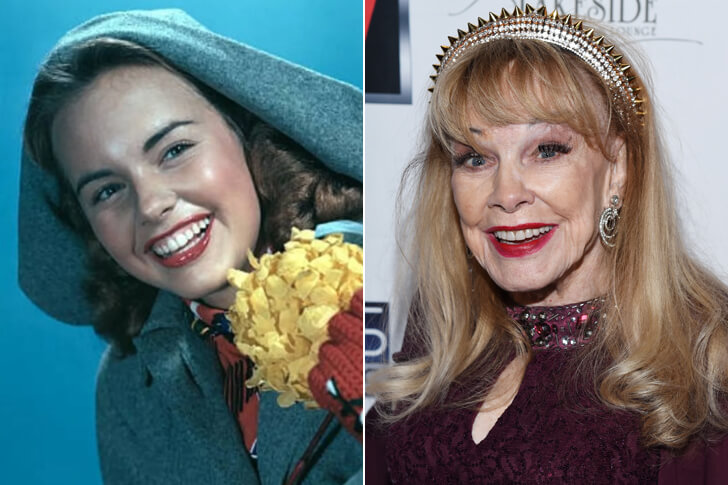
Not exactly the type to fade into the background, Moore came up in the studio era when big personalities were the whole point. She broke through in 1949 with Come to the Stable, earning an Academy Award nomination and securing her place on Hollywood’s radar. Audiences also loved her in Mighty Joe Young, where her warmth grounded the creature adventure, keeping it surprisingly heartfelt.
Terry's ambitions began onstage as a child, building her calm confidence early. In the 1950s, she developed a passion for flying and trained for a pilot’s license. Her marriage to Howard Hughes became a long-running source of public curiosity. In 1980, interest in their story resurged, reviving rumors and mystique around their union.
David Attenborough, born 1926
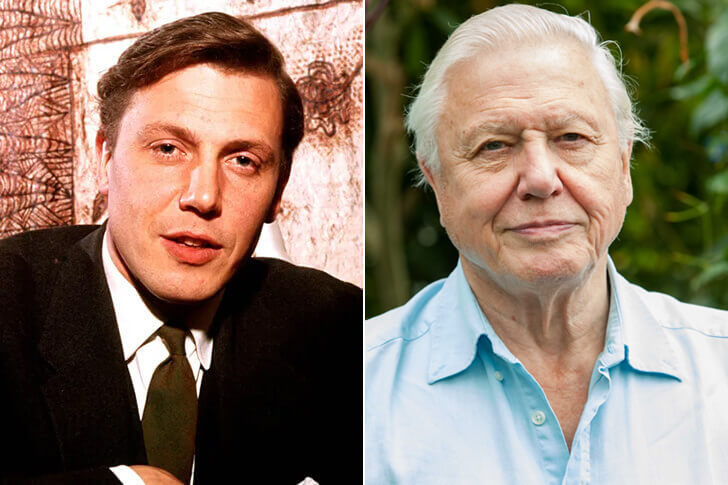
For decades, Attenborough has transformed wildlife TV, making nature feel both immense and personal. He led viewers from polar oceans to rainforests in Planet Earth, a global success that heightened awareness and won multiple Emmys for its scope. Earlier, he set the standard with Life on Earth in 1979, demonstrating that science could be compelling and approachable.
The series brought evolution and ecology into homes worldwide, earning numerous BAFTA awards. Filming was demanding, with shoots in remote areas, unpredictable weather, and crews often improvising. Tales from the field include sudden storms and quick solutions. In 2020, David Attenborough: A Life on Our Planet reflected on his career while issuing urgent environmental alerts.
Tippi Hedren, Born 1930
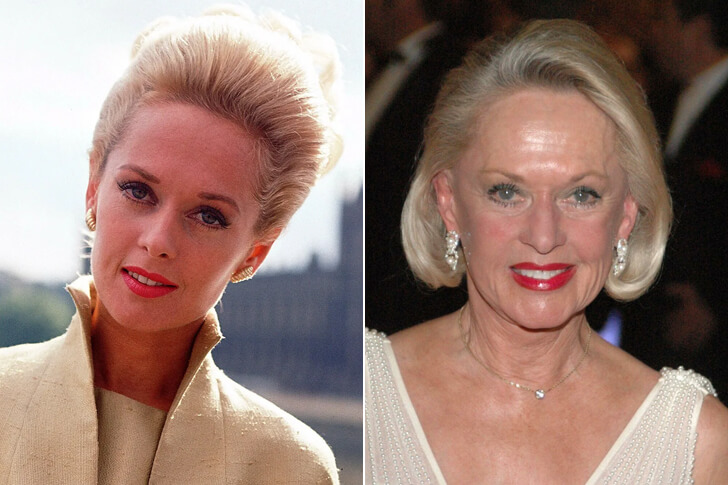
When Hedren hit the screen in 1963’s The Birds, it felt like a switch flipped. She anchored the chaos with cool, steady nerve, right as Alfred Hitchcock cranked suspense sharper and more daring. She followed it with Marnie, trading pure thrills for a darker psychological edge that pulled audiences in. Those shoots were punishing, demanding real toughness and focus.
Her breakout didn’t go unnoticed; she picked up a Golden Globe for New Star of the Year, a loud welcome to Hollywood. Her heart shifted toward animal protection, and in 1983 she founded the Shambala Preserve for rescued big cats. A role on 2006’s Fashion House reminded a new crowd of her presence, style, and command that made her a star.
John Astin, born 1930
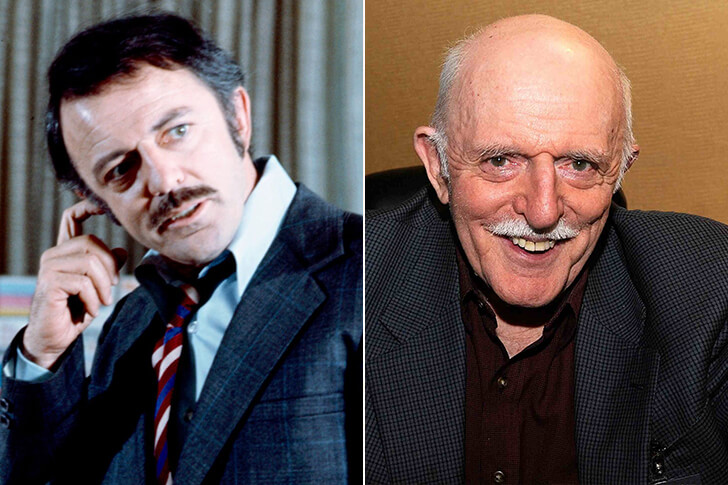
You probably first met Astin as Gomez Addams, lighting up TV screens in 1964 on The Addams Family. That sly grin and razor-sharp one-liners made it feel effortless. The show hit big, with his comic rhythm central to its success. He brought that spark to movies too, like his fun turn in 1976’s Freaky Friday.
The actor showed more than sitcom charm. His 1971 one-man Edgar Allan Poe stage production revealed real range. Later, he embraced directing and teaching; in 1998, guiding Johns Hopkins students. Fans enjoy his voice work, including Justice League Action. And yes, he appeared as the Riddler on Batman, a memorable detour.
Mel Brooks, Comedy’s Rule-Breaker, Born 1926
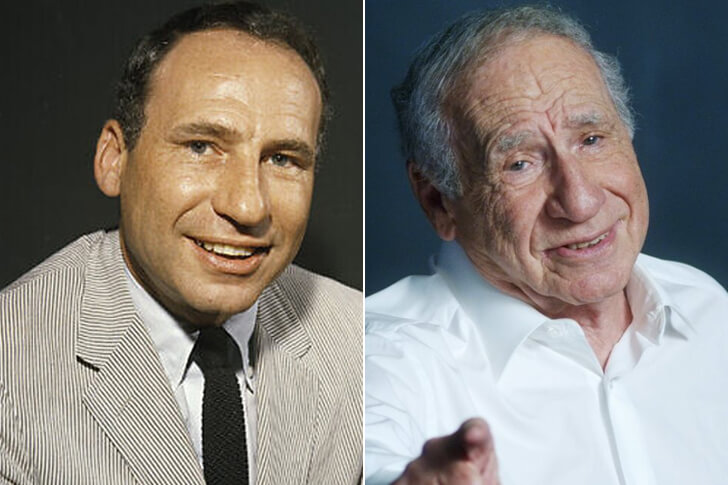
Did he rewrite the rules of American comedy when The Producers landed in 1967 and brought gleeful bad taste into the mainstream? You could make that case. He kept the streak going with Blazing Saddles, a fearless, boundary-pushing satire embraced by audiences. Then Young Frankenstein in 1974 proved the joke machine could also be smart, stylish, and packed with performances people still quote.
Trophies followed soon after. In 1968, an Academy Award for Best Original Screenplay officially recognized that daring humor. He also co-created the hit TV spy spoof Get Smart in 1965. Decades later, he turned The Producers into a Broadway smash in 2001. Even in recent years, he kept popping up, including voicing the Shogun in Paws of Fury in 2022.
Terry Kilburn, a 1926 Original
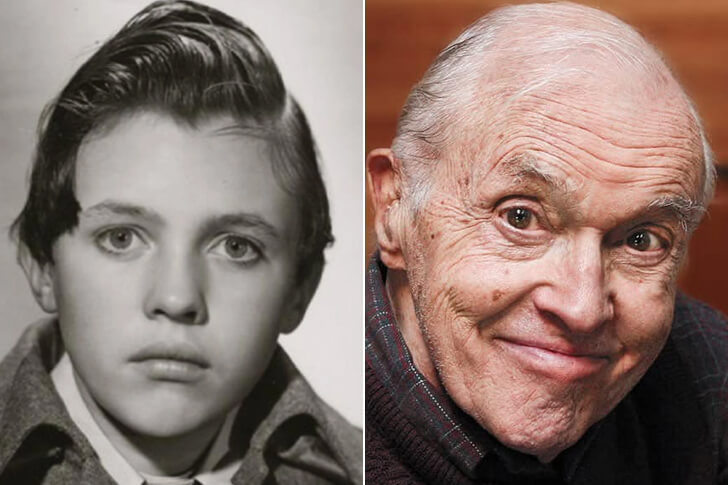
If you grew up on classic movies, you probably remember Kilburn as the kid who could steal a scene quietly. He won over audiences in 1938 with A Christmas Carol, delivering a Tiny Tim that felt sweet and sincere. A year later, Goodbye, Mr. Chips proved he was more than a one-role wonder, slipping between ages and eras with ease. Directors loved his natural timing, especially during demanding shoots where steadiness matters.
His career expanded beyond studios into theater, focusing on live performances. Kilburn became part of the Meadow Brook Theatre ensemble, earning a reputation for smart choices and dependable craft. In 1977, he became the artistic director, steering ambitious seasons and shaping its identity. By 1994, his final Meadow Brook season felt like a graceful curtain call, a thoughtful goodbye after decades of work.
William Shatner, born 1931
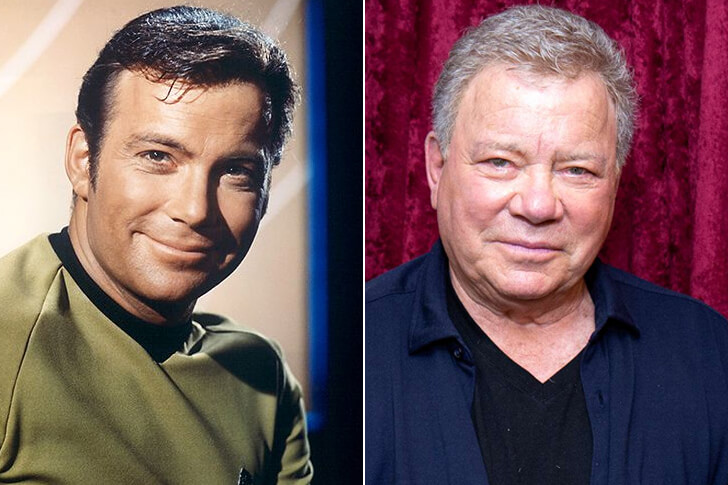
After grinding through early auditions, Shatner caught the right wave into TV legend during the 1960s. Then Star Trek happened, presenting Captain Kirk in full command, a performance that made sci-fi must-watch storytelling. The big-screen spark flared up in 1979 when Star Trek: The Motion Picture brought the crew back with ambition, bigger stakes, and a grand feel.
Curiosity led him to new lanes. In 1989, Star Trek V handed him the director’s chair. Long before that, he ventured into music with 1968’s album The Transformed Man, gaining a cult following. He also spun a page-turner with TekWar, crafting a futuristic world. In 2021, he added a real-life twist with a suborbital ride on Blue Origin.
Morgan Freeman, Born 1937
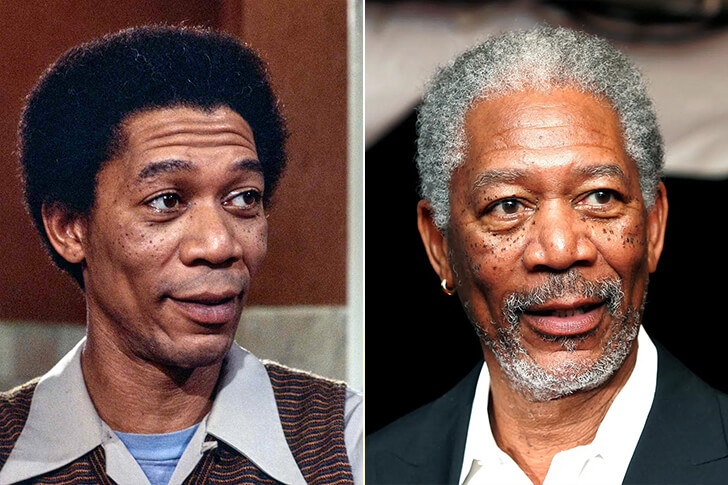
From the moment Freeman hit the big time, people have been drawn to his calm, steady force. He first turned heads with sharp work in Street Smart and later in Glory, where his quiet authority does most of the talking. Then came The Shawshank Redemption, which cemented him as a modern classic star, his grounded presence resonating deeply.
A major career milestone was in 2005, when Million Dollar Baby earned him an Academy Award. His journey began in school theater, emphasizing discipline and timing. Beyond acting, aviation fascinated him. In 2002, he earned his pilot's license, flying regularly and treating it as a serious craft.
Jaclyn Smith, Born 1945
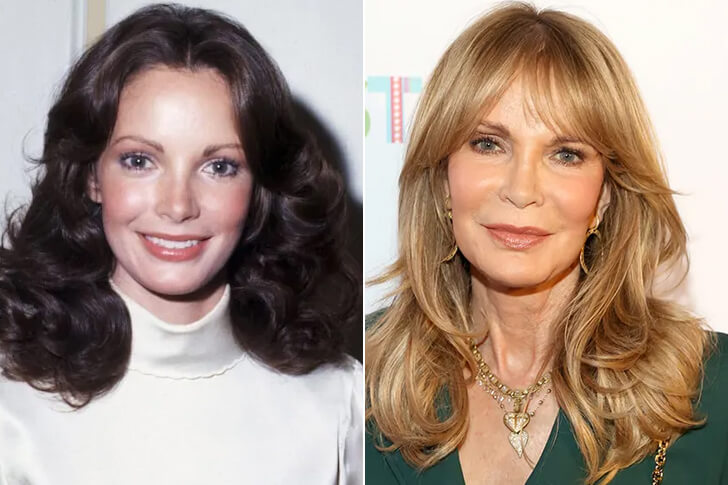
Back when TV was hitting its flashiest stride, Jaclyn came along with that effortless poise that made people watch. She broke into the spotlight in 1976, when Charlie's Angels turned her into a household name, mixing action, charm, and glossy cool. Nightkill pushed her into moodier material, giving her room to explore a darker, more dramatic focus.
The move that changed the celebrity playbook was the Jaclyn Smith Collection, making star-led fashion lines feel mainstream. Drama classes in Texas gave her a solid foundation and real discipline. In 1981, she earned a Golden Globe nomination for Jacqueline Bouvier Kennedy, a role demanding restraint and emotional control. She married Brad Allen in 1997, beginning a calmer chapter centered on lasting partnership.
Max Baer Jr. (Born 1937)
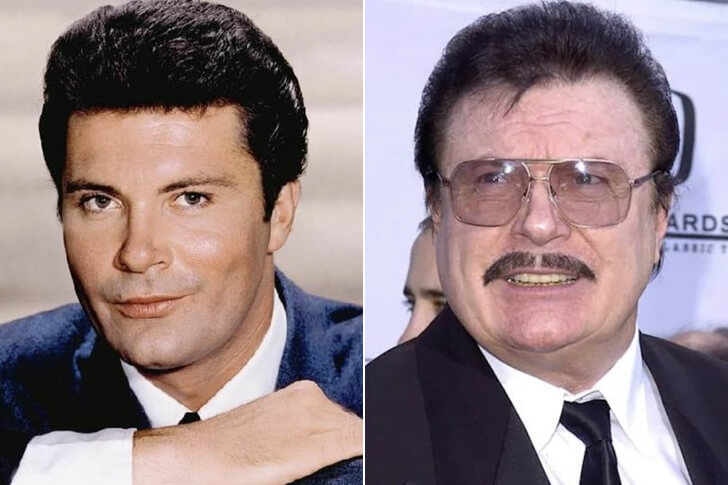
Baer carved out a spot in TV history with a mix of quick timing and lovable energy that worked on camera. In 1962, he achieved nationwide fame on “The Beverly Hillbillies,” turning Jethro Bodine’s well-meaning confidence into one of the show’s biggest laughs. Later, he expanded with film work, including “Ode to Billy Joe,” and showed a feel for the business side of entertainment.
Before Hollywood, he honed his skills at Santa Clara University. A strong sports thread tied to boxing great Max Baer Sr. ran through his background. He pursued business ventures linked to the show, developing Beverly Hillbillies-themed gaming projects. Later, he focused on entrepreneurial ideas, keeping busy beyond acting.
Sam Elliott, Born 1944
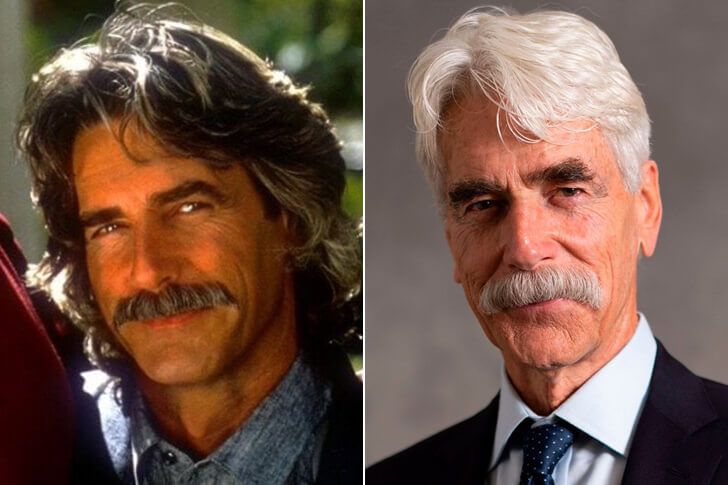
Fans often point to Butch Cassidy and the Sundance Kid as the moment Elliott first stepped into the spotlight in 1969. The role was minor, but it marked a start. He leaned into a rugged, grounded persona, and Lifeguard elevated him from being just "that guy" to someone discussed more widely.
His Western energy grew in Road House, where his gravelly voice added warmth. The acting bug bit in college theater in Oregon, refining his craft. An Academy Award nomination for A Star Is Born highlighted his career. In 2017, he honed his narration style through vocal training, making it instantly recognizable.
Susan Dey, Born 1952
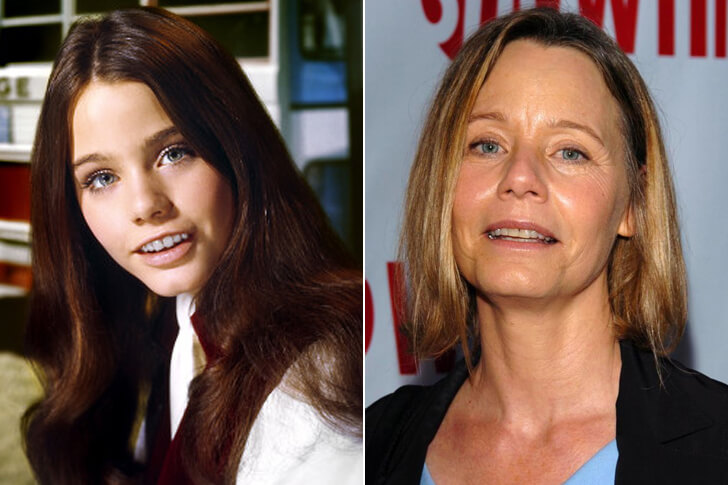
When Susan Dey became Laurie Partridge on The Partridge Family in 1970, she quickly became one of television’s most recognizable young stars. Her success continued beyond the sitcom, with roles such as Mary Jane Harper Cried Last Night showing that she could handle darker, more demanding material. Later, L.A. Law gave her another major career chapter, earning her a Golden Globe nomination and proving she was far more than the wholesome image associated with her early TV years.
After stepping away from acting, Dey largely chose a quieter life outside Hollywood, making her one of those stars whose decision to leave the spotlight only added to the curiosity surrounding her. She has remained largely private in recent decades, with occasional retrospectives on The Partridge Family bringing her name back into the conversation. Rather than chasing a comeback, Dey has kept her distance from the entertainment industry, leaving behind a memorable television legacy that still resonates with fans of classic TV.
Al Pacino, born 1940
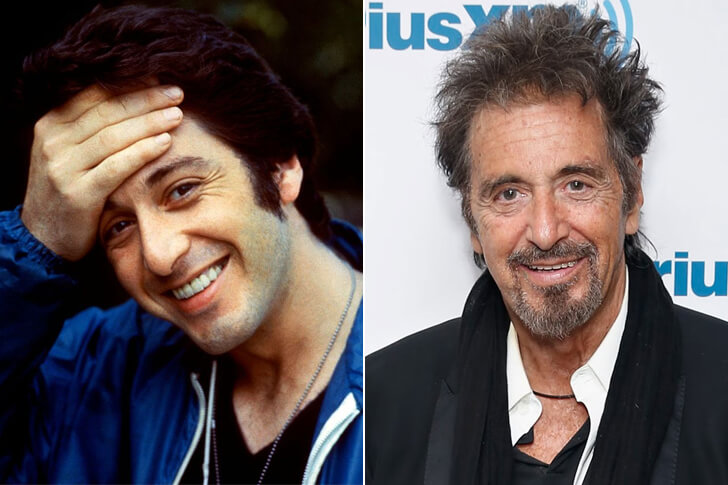
When the actor hit theaters in 1972 with The Godfather, it felt like the crime movie got rewired in real time. His quiet heat and sudden edge conveyed everything without many words, making an unforgettable impression. He kept the momentum rolling in Serpico, turning a corruption story into something personal. Then came Dog Day Afternoon, where tension swings from charm to chaos. A long-awaited Oscar finally landed in 1993, thanks to Scent of a Woman.
Before legend-making, his foundation was built the old-school way, with training at HB Studio and discipline in every scene. Theater was a persistent call. A major moment came with the 1983 revival of American Buffalo, reminding everyone he owned a stage as easily as a close-up. His interest in the classics emerged through a documentary on Shakespeare’s Richard III. Creative differences reportedly kept him from voicing a character in Despicable Me.
Meredith Baxter, born 1947
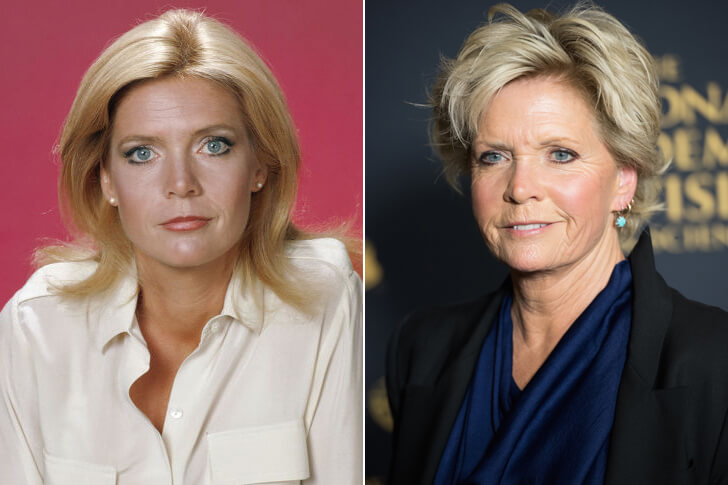
From the mid-1970s, Baxter had a calm, believable presence on TV. She gained traction on Family, a drama that resonated without big speeches. Then Family Ties became appointment viewing, with her steady warmth holding it together weekly.
Though long shoots were a staple, her performances never felt strained. In 1992, she took a darker, serious turn, earning an Emmy nomination, showcasing her range. Later, painting became her off-camera sanctuary, a quiet space to reset and create.
Lee Majors, born 1939
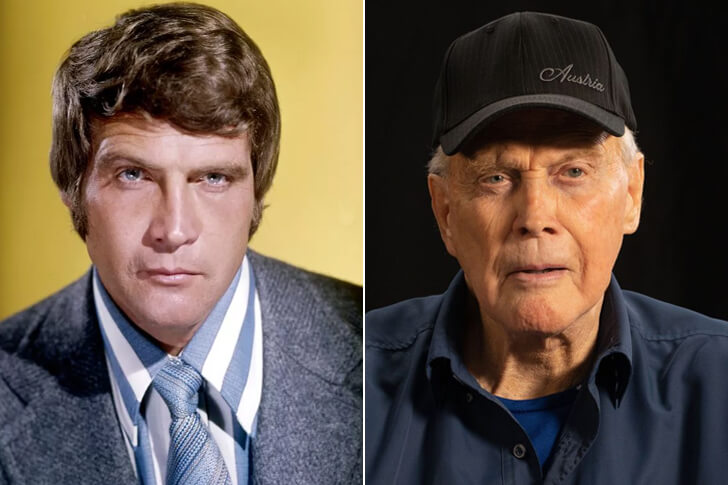
When Majors first hit primetime in the late 1960s, he had that easy, camera-friendly swagger that grabs attention. Viewers noticed him on “The Big Valley,” where his tough, self-assured vibe never felt forced. By 1973, The Six Million Dollar Man turned him into the face of high-stakes adventure, inspiring kids everywhere with slow-motion hero moves and big imagination.
Many workdays were filled with stunts and physical scenes requiring real planning. During breaks, he explored a quieter side, sketching ideas for props, combining curiosity about design with the action. In 1983, Golden Globe voters acknowledged his steady screen presence. Ironically, it traces back to a college sports injury that shifted his path from athletics to acting.
Ali MacGraw, a 1939 Original
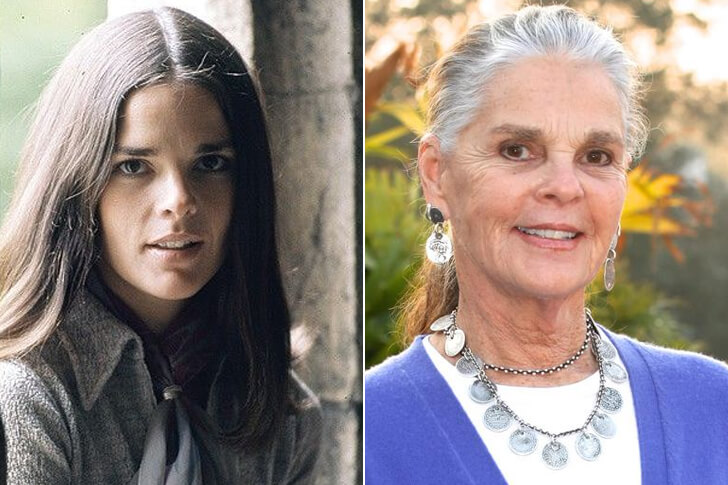
If you watched American movies in the early 1970s, you likely remember her effortless glow that brightened the screen. A shift began in 1969 with Goodbye, Columbus, where MacGraw mixed humor with a calm intensity. Then 1970’s Love Story became a global obsession that followed her everywhere.
This success brought an Academy Award nomination, altering what "a normal workday" meant. Shortly after, The Getaway nudged her into grittier roles, pairing her with action beats and a tough edge. Her Vogue polish was evident in her movements. Later, a more spiritual routine focused on meditation reshaped her daily life.
Patrick Duffy – Born in 1949
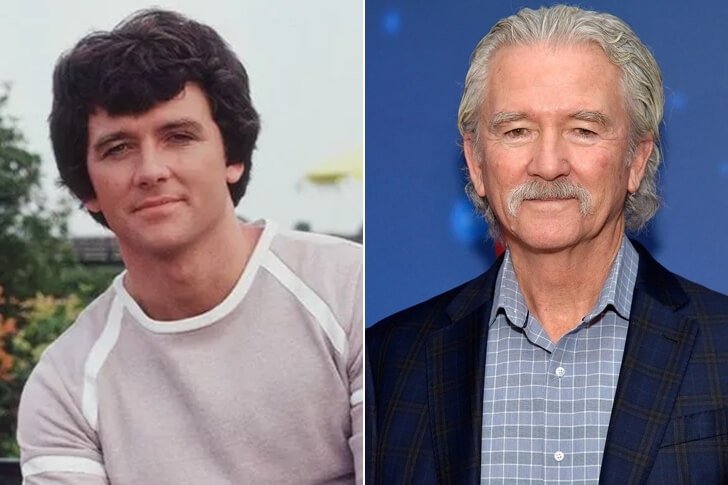
Plenty of people still picture him making a splash in TV history when Man from Atlantis popped up in 1977, weird, charming, and totally of its time. Then 1978 arrived and Dallas turned him into Bobby Ewing, the calm center of a show that loved to throw emotional curveballs. One day it was family loyalty, the next betrayal, and the job required him to switch gears fast. That constant push and pull helped keep the drama fresh and the storylines unpredictable.
Because he had trained in movement for earlier stage work, the actor handled the long, physical shooting days with less strain. When cameras stopped rolling, he leaned into architecture, sketching house ideas to unwind. Broadway also called, and he stepped in for The Subject Was Roses, proving he could shift from TV intensity to live-theater precision. Away from the spotlight, he found peace running the family ranch, a steady routine that kept him grounded year after year.
Dolores Hart, Born 1938
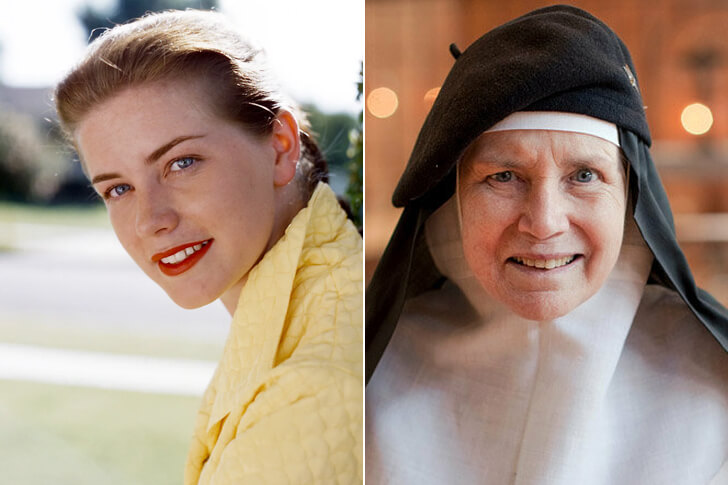
Hart made a splash in early 1960s movies. In Loving You, she paired with Elvis Presley naturally, giving the film a grounded spark. Audiences appreciated Francis of Assisi for her calm, sincere presence without showy tricks. Then, just as her career seemed to be taking off, she surprised everyone by leaving Hollywood entirely.
She chose a different spotlight, entering the Abbey of Regina Laudis to explore her true desires. Her stage work had already proven her talent. On Broadway, The Pleasure of His Company refined her instincts, and a Tony nomination in 1959 highlighted her potential. Years later, she turned to writing, including a 2013 memoir that renewed interest in her story.
George Hamilton, Hollywood’s Smooth Operator (Born 1939)
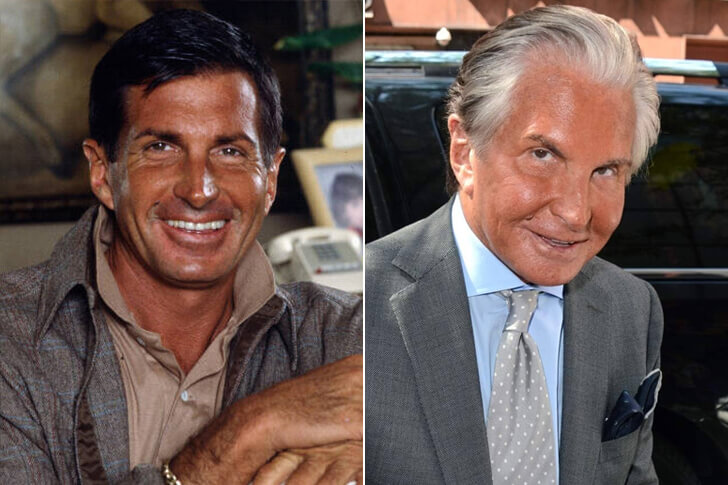
For Hamilton, arriving in late 1950s Hollywood meant entering with movie star shine already on. He slid into the era’s dramas with an easy confidence. Audiences noticed him in Where the Boys Are, catching the youth culture wave. Your Cheatin’ Heart allowed him to explore biographical territory with a believable seriousness that distinguished him.
That early momentum quickly turned into a Golden Globe for Most Promising Newcomer in 1960, cementing his reputation. Off screen, his social life often enhanced his career. Years later, he toured with La Cage aux Folles in 2011, bringing lively stage energy. He also ventured into business with cigar lines reflecting his style.
Connie Stevens, Born 1938
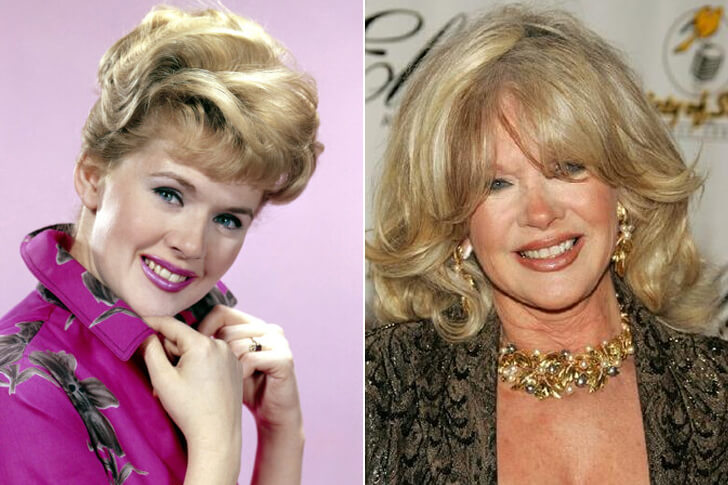
In the late 1950s, Connie's breakout was like a match catching fire—quick, bright, and impossible to ignore. Her starring role on Hawaiian Eye made her an in-demand talent, bouncing between rehearsals and recording sessions amidst instant fame. The single “Sixteen Reasons” in 1960 shot up the charts, turning many heads.
Throughout the early 1960s, movie parts rolled in, fitting her into the teen comedies audiences loved. Years of family singing provided a strong foundation, helping her adapt to studio life. Later, she directed Saving Grace, proving her creative versatility, and launched a successful hands-on cosmetics line.
Jack Nicholson, Born 1937
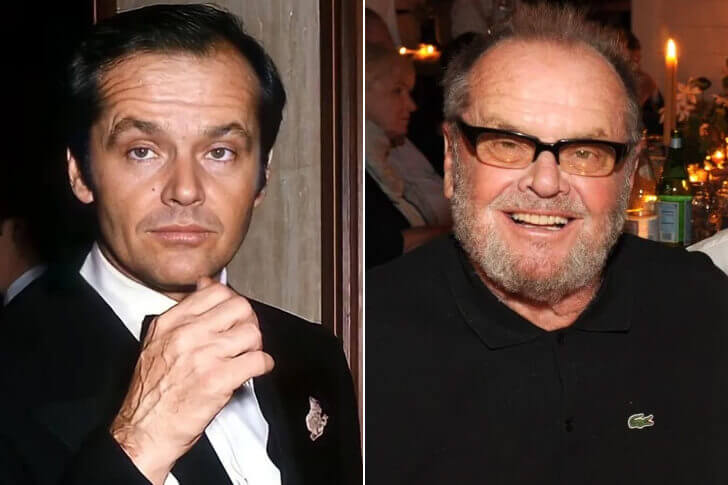
Some decades drifted by, but in 1969 he practically kicked the door in with Easy Rider, right when Hollywood's mood was changing. Then came Five Easy Pieces, all jagged nerves and simmering frustration, the kind of performance you can't look away from. He kept leveling up with Chinatown, giving noir a slick, modern heartbeat, and later turned The Shining into a masterclass in controlled menace. Every role felt sharp, specific, and just unpredictable enough to keep audiences on edge.
By 1997, the awards pile grew with As Good as It Gets, where the laughs landed, but the sting did too. Long before that, he honed his craft in the studio system, stacking parts that built his timing and confidence. In later years, the actor stepped back from the grind and leaned into painting, trading sets and spotlight for a quieter pursuit. It’s a different kind of focus, but it fits the same restless creative streak.
Leslie Caron, Born 1931
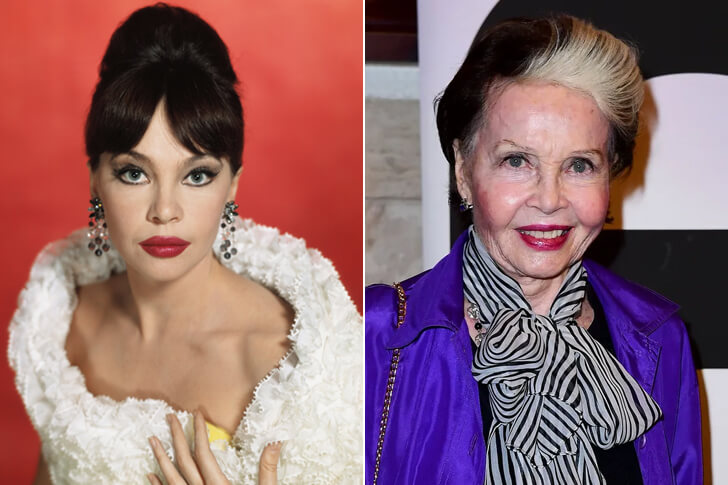
Few dancers slid into movie stardom as effortlessly as Caron. When An American in Paris hit theaters, she lit up the screen with her sparkling charm. She followed with Lili, showing real emotional range and earning an Academy Award nomination. Then came Gigi, a blockbuster that cleaned up at the Oscars and turned her into a worldwide name.
Paris ballet training gave her unmistakable grace, even when standing still. Her career later took unexpected turns; by 1970, writing became more important than film roles. In 2010, an Honorary César Award recognized her dramatic work depth. She charmed fans by running a boutique hotel in Burgundy, personally greeting guests and creating a unique ambiance.
Robert Duvall, Born 1931
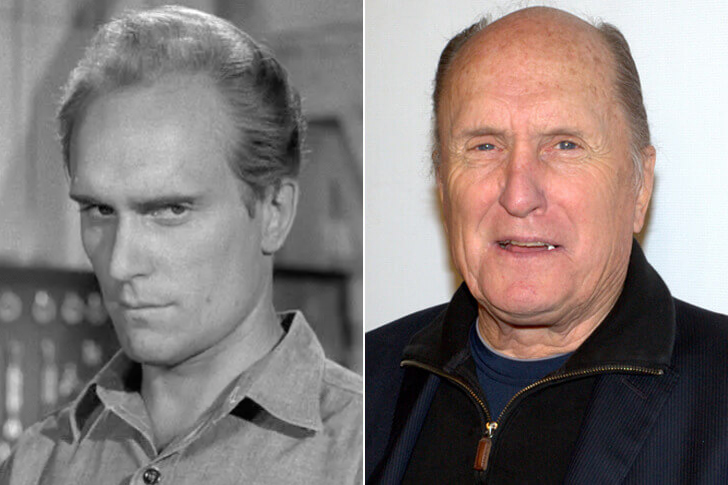
Long before becoming a piece of American movie history, Duvall built his career from the ground up with early theater work. Those stage seasons honed his timing and control, evident in his performance in To Kill a Mockingbird, a forever classic. In 1972, The Godfather showcased his signature calm intensity, filling the room without much movement.
His steady power grew in Apocalypse Now, embodying simmering tension amid the film’s madness. Recognition followed, and Tender Mercies earned him an Academy Award. By 1996, his curiosity led him to tango in Buenos Aires, influencing his creative tempo. He balanced big roles with smaller projects, staying busy beyond the blockbuster lane.
Angie Dickinson, Born 1931
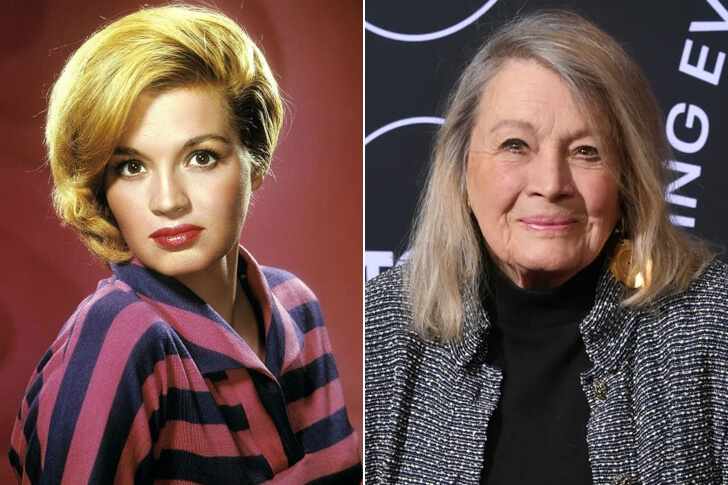
When Dickinson appeared on 1950s television, she seemed to belong there instantly—relaxed, sharp, and camera-ready. By 1959, she earned a standout role in Rio Bravo, holding her own confidently alongside John Wayne. Later, her fame surged with Police Woman, the hit that turned her into a household name and won her a Golden Globe. The show's pace was intense, and she switched gears fast, keeping every scene crisp and engaging.
Before the spotlight, she lived a more ordinary life as a secretary until acting opened doors for her. Off set, she gathered stories like the legendary poker nights with Frank Sinatra's crowd, tales fans still cherish. Her appearance in Ocean’s Eleven felt like a friendly reunion, reminding admirers of her charm, marked by good timing and effortless presence, without the need for gimmicks.
Billy Dee Williams, Born 1937
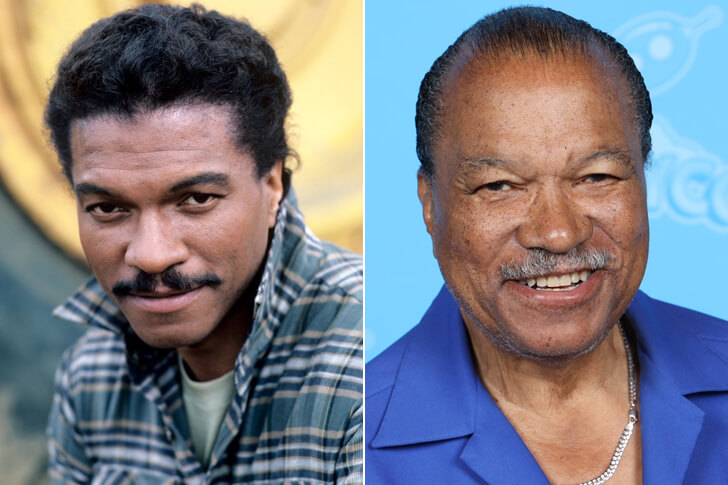
Some stars glide in quietly, but he showed up in 1970s movies with the kind of cool you notice instantly. People locked in when Lady Sings the Blues put him opposite Diana Ross, and the screen practically hummed. Then 1980 hit, The Empire Strikes Back arrived, and Lando Calrissian became the definition of smooth, confident, and just a little dangerous. That role alone cemented him as a pop culture fixture, fitting perfectly with the effortless style he had been building for years.
What made that era fun was how easily he bounced between genres, romance one minute, action the next. Off set, painting stayed a constant, a calm place for ideas, with sketches turning into colorful canvases. Later, voice acting gave him another lane, especially when animated Batman projects leaned on that warm, unmistakable delivery. He also added writing to the mix, coauthoring a noir-tinged novel in 1999, proof his creativity was never limited to one spotlight.
Ann McCrea, Born 1931
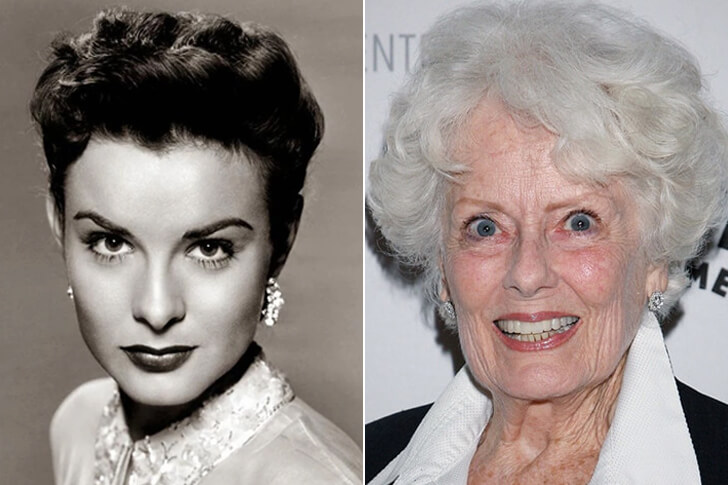
Early 1960s TV had a certain glow when McCrea showed up on The Donna Reed Show. She had that relaxed, friendly energy that made family sitcom moments land, even with simple jokes. Her parts often hit a sweet spot between comedy and warmth, as wholesome, living-room storytelling became a national habit. She also dipped into film, with Welcome to Hard Times letting her shift into something more dramatic without losing her steady presence.
Before cameras became routine, McCrea modeled, learning poise and resilience. As acting progressed, her technique tightened, especially with scripts requiring quicker timing. In later years, she embraced quieter interests, involving herself with California arts groups and making handmade gifts, turning a hobby into a tradition friends cherished.
Ron Howard, born 1954
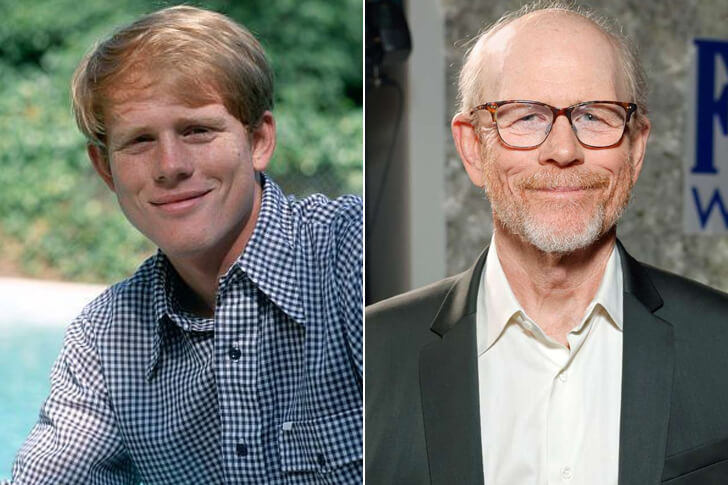
Remember when American TV felt like it was changing channels but stayed cozy? That was his magic. On “The Andy Griffith Show,” he appeared as Opie, the honest-faced kid who made Mayberry feel livable. Then “Happy Days” cranked up the energy, and he fit right in, never losing the warmth that endeared him to viewers.
The call of directing soon won. After a few smaller projects, he found his groove and never looked back. The big break came in 2002 when A Beautiful Mind swept the Oscars, cementing his status as an awards magnet. With a sustained passion for history, he later ventured into documentaries. Today, he still enjoys visiting small-town diners, soaking up stories.
Shirley MacLaine, born 1934
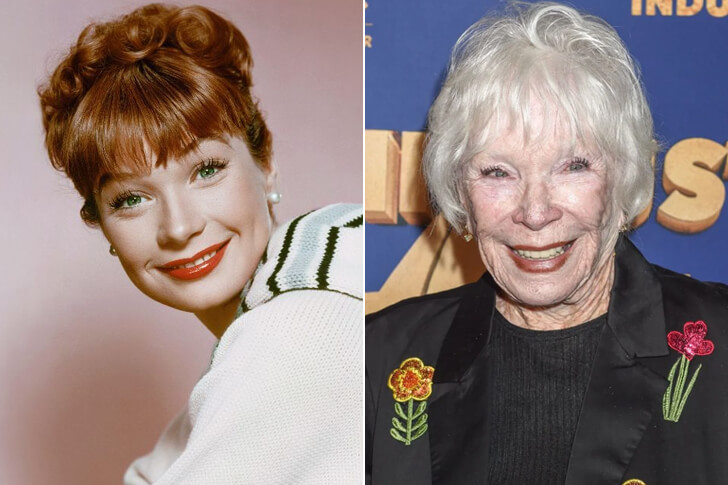
Not many stars strolled into mid-century Hollywood with the offbeat electricity she brought from the start. It's palpable in The Trouble with Harry, where her playful, unpredictable vibe energizes the film. That spark turns sharper in The Apartment, blending quick comedy with a quiet sting beneath. She made it look effortless, but the timing and nerve behind those performances were anything but.
The big career exclamation point came in 1983, when Terms of Endearment finally brought her an Academy Award. Before that, she was a chorus dancer on Broadway, a job teaching discipline and stamina. Later on, she surprised people by delving into travel writing, turning journeys into stories, often retold with a wry grin on calm nights with friends.
Henry Winkler, Born 1945
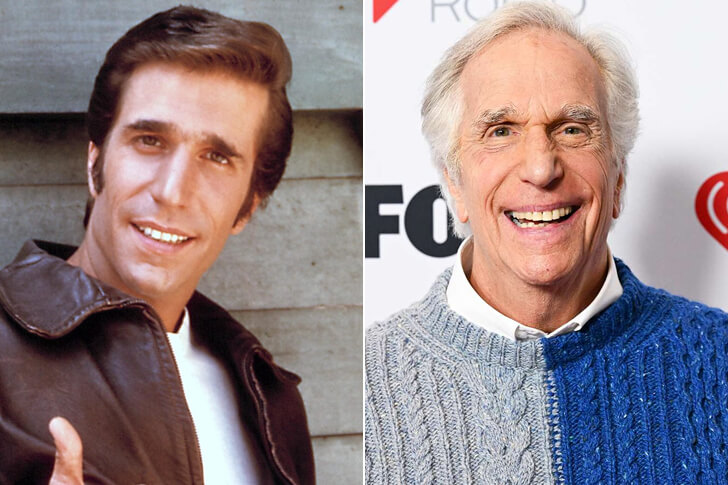
It's hard to overstate how he jolted TV to life when Happy Days rolled out Fonzie’s effortless cool. The show hit that sweet spot where laughs and real warmth appeared in the same scene, and audiences embraced it. Success meant a packed calendar and nonstop attention, but he still managed mischief and camaraderie on set. His early acting training paid off, especially when scripts demanded a flip from comedy to sincerity.
Then came 1977's Heroes, showcasing his dramatic range. In 2004, he added “author” to his résumé with children’s books inspired by classroom visits. Mentoring became another bright spot, guiding younger performers with practical, encouraging advice, helping them stay curious and creative even when work gets demanding and paths seem uncertain.
Ann Elder, born 1942
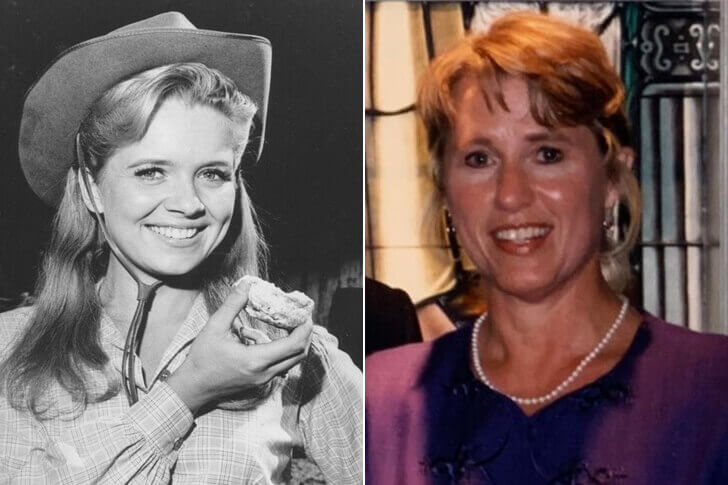
Comedy in the 1970s was wild, and when Elder landed on Rowan and Martin’s Laugh-In, she fit right in. Her timing and playful vibe enlivened sketches amidst the chaotic pace. Her profile jumped when her writing on Lily earned an Emmy, catching insiders off guard as she tweaked punchlines.
She appeared in films, including a memorable bit in Don’t Make Waves. Modeling helped with TV wardrobe swaps. Her writing success continued, winning a second Emmy in 1976 for another Lily Tomlin special, proving the first win was no fluke. She moved into producing with A Funny Thing Happened on the Way to the White House, showing she could shape the whole show.
Robert Fuller, Born 1933
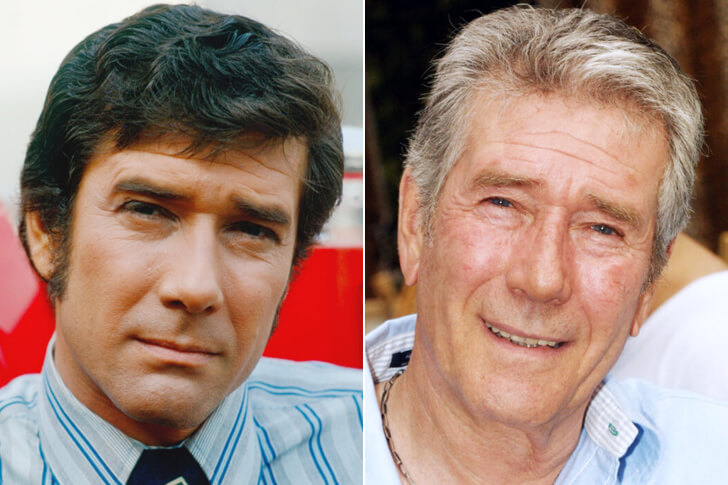
There was always something about Fuller that felt like he had just stepped off a dusty trail. His big break came with Laramie in 1959, becoming a steady lead viewers could trust. He had the calm confidence that made every showdown and quiet moment land. Then, Wagon Train kept the momentum rolling with grand stories and landscapes audiences loved.
In 1972, things turned modern when Emergency! swapped horses for rescue calls, and he fit in with a no-nonsense presence. Even with a new setting, his love of horsemanship remained; after the spotlight cooled, he leaned into rodeo events. Recognition followed through Western heritage groups, and a German fan club honored him yearly.
Warren Beatty, born 1937
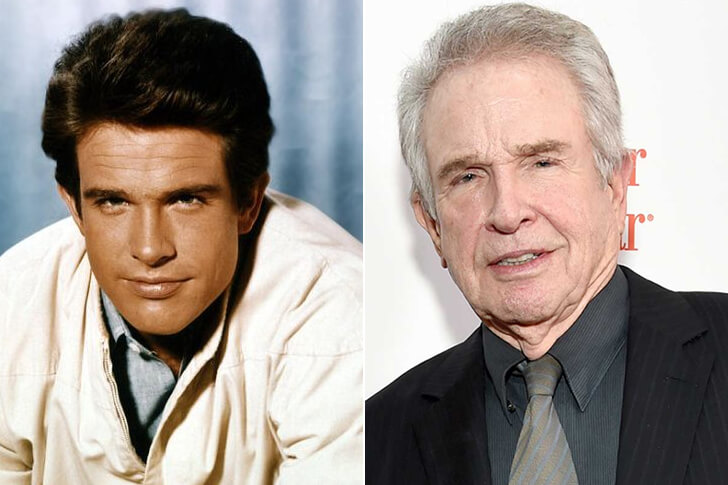
The actor hit his groove when American movies were daring themselves to change. Everything felt louder after Bonnie and Clyde landed, with its style and attitude making filmmakers rethink cinema. Shampoo kept the momentum, sharp and fearless, earning a Golden Globe and showing the industry catching up to his vision.
He pushed harder in 1981 with Reds, a big epic that showcased his vast ambition, bringing him a major Academy Award. His curiosity about filmmaking details endured. He later spoke about obsessing over editing, helping him trust his instincts. Film historians cite his bold producer mindset as a masterclass in smart creative risks.
Michael Richards, Born 1949
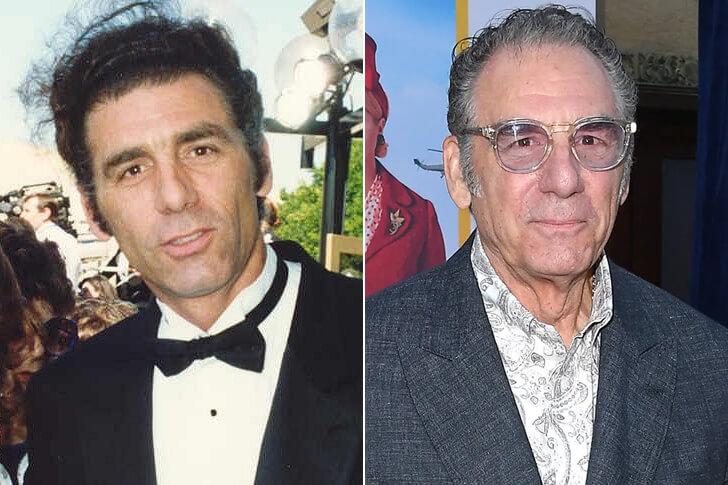
There's a reason people fondly remember that burst of energy when he barged into the funniest corners of TV in the 1990s. In 1989, Seinfeld introduced a strange, lovable neighbor who could turn a hallway entrance into mayhem. The reaction was instant, and three Emmy wins followed, proving that smart physical comedy could surprise audiences and raise sitcom standards.
Before that breakout, he was building momentum on Fridays in 1980, where the sketch vibe sharpened his timing. In 1992, improvisation workshops pushed him to take bigger chances, making each appearance feel unpredictable. His years of studying mime gave him control, ensuring every flail, pause, and double take landed with precision rather than chaos.
Burton Gilliam, Born 1938
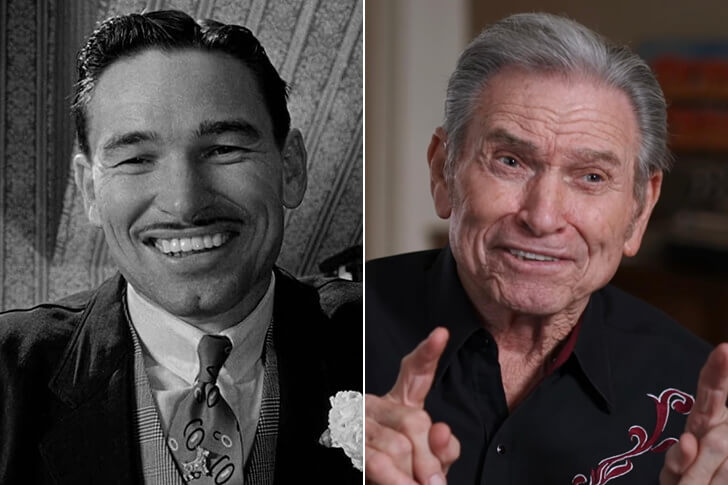
It’s easy to miss how Gilliam went from the Dallas fire department to Hollywood, but the switch had real heat behind it. Moviegoers noticed when Blazing Saddles let him unleash that fast, goofy charm that rewired his career. Before that, Paper Moon in 1973 helped crack the door open, showing he could play it breezy and natural on camera. After those early wins, he leaned into the kind of comedy that made casting directors pay attention.
Through the 1980s, the actor stayed busy with guest roles on TV, wherever producers needed sharp timing and a quick line read. Commercial work became reliable, putting his face in front of a national audience. Even with the acting hustle, he kept one foot in the firefighting world, showing up at charity events well into the 1990s. Long before the cameras, he boxed in Golden Gloves competitions, showing physical confidence in his on-screen movements.
Michael Gross, Born 1947
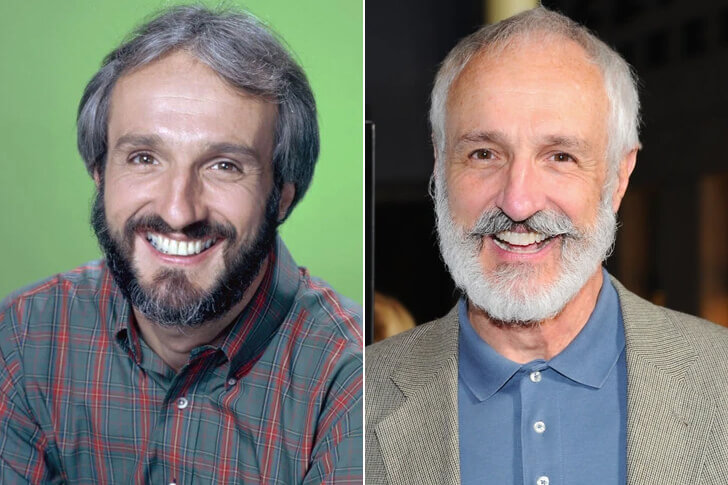
It is hard not to picture him as the steady heartbeat of “Family Ties,” the guy who made the chaos feel lived-in. Then he swerved into different territory with Tremors, helping turn a dusty desert setup into a long-running cult obsession. Yale drama training gave him sharp instincts and comic rhythm. Whether playing the sensible one or leaning into the weird, he made it land.
Throughout the 1980s, he popped up in dependable character parts, the kind directors love because the work shows up on time and delivers. His reputation for being solid and flexible helped him stretch into various roles without needing to shout about it. In 1996, he found a groove with documentary narration, bringing a calm, trustworthy voice to environmental stories. Off set, he carved out a quieter passion: photography, a creative reset between long shoots.